Application of PTC Heating Elements in Electric Heating Boilers (Part 1): Advantages and Structural Types
Introduction
As clean heating solutions continue to replace traditional coal-fired systems, electric heating boilers equipped with PTC (Positive Temperature Coefficient) heating tubes have gained widespread attention
1. Advantages and Disadvantages of Electric Boiler Heating
Transitioning from coal to electricity offers clear environmental and practical benefits, alongside a few operational considerations
Clean and Eco-Friendly: Electric boilers eliminate coal combustion, significantly reducing harmful emissions and smog-forming pollutants
Simple and Cost-Effective Setup: They feature a straightforward structure, safe operation, and low initial equipment cost
Operational Challenges: The primary drawbacks are slightly higher running costs (electricity expenses) and potential electrical leakage risks if the heating elements are not properly designed or maintained
2. Three Structural Types of Electric Heating Boilers
Depending on how the PTC heating tube interacts with water and how water circulates through the indoor radiators, electric boilers are generally categorized into three structural types
Type 1: Immersion Heating Tube (Tank-Type)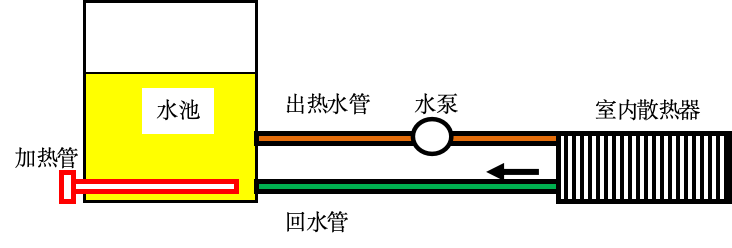
In this configuration, the heating tube is inserted directly into a water tank to heat the water, which is then pumped to indoor radiators via a hot water outlet pipe and returned through a return pipe
Pros: Scale buildup on the surface of the heating tube is easy to clean
Cons: It requires a dedicated insulated water tank, which increases manufacturing costs, takes up more floor space, and requires a longer pre-heating time after power-on before indoor heating begins
Type 2: Flow-Through Heating Tube with Pump Circulation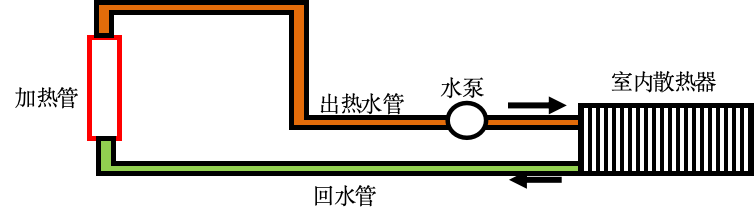
Instead of heating water inside a storage tank, water is heated directly as it flows through the heating tube, driven by a circulation pump
Pros: Eliminates the need for a water tank, resulting in lower equipment cost, a compact footprint, and rapid heating
Cons: Scale inside the system is harder to clean
Type 3: Thermosiphon (Heat-Driven) Circulation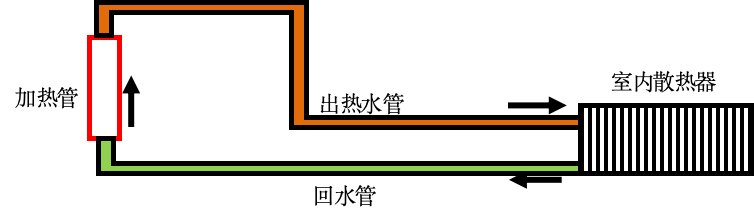
In this pump-free flow-through design, the heating tube is mounted vertically
Pros: Operates silently with zero water pump noise
Cons: Relies on natural thermal convection, resulting in lower water flow pressure and slower flow velocity, which makes the system more prone to scale deposition
Conclusion
Choosing between immersion tank-type, pump-driven flow-through, and thermosiphon electric boilers depends on space availability, noise sensitivity, and whether off-peak power storage is a priority
In Part 2 of this series, we will explore how to select the right water-contact materials (aluminum, copper, stainless steel, and titanium) and optimal power density for PTC heating tubes


